

The global art reproduction market reached $48.21 billion in 2024, with Renaissance artwork commanding the highest premium among all historical periods. But here's what museum curators don't tell you: the perfect canvas for preserving these 500-year-old masterpieces isn't stretched linen or archival paper - it's seven-ply Canadian maple skateboard decks measuring precisely 8 inches by 32 inches.
I discovered this accidentally back in 2021 while designing merchandise for a Ukrainian gallery exhibition. My client wanted Botticelli's Birth of Venus on promotional materials, and I jokingly suggested skateboard decks. Three weeks later, collectors were paying triple the asking price for these "experimental pieces." That moment taught me something art historians miss: Renaissance compositions weren't created for museum walls. They were designed for specific architectural spaces with precise viewing angles and lighting conditions that modern galleries can't replicate.
But skateboard decks? Their vertical orientation, narrow format, and domestic display context actually mirror how Renaissance patrons originally experienced these works - as intimate objects in private spaces, not public spectacles behind velvet ropes.
Living in Berlin these past four years has shown me how European collectors approach classical art differently than Americans. German auction houses categorize Renaissance skateboard art under "Angewandte Kunst" (applied art) rather than reproductions, which honestly changes everything about valuation and cultural significance. Meanwhile, the skateboard market has grown from $2.22 billion in 2021 to $3.56 billion in 2024, with premium art decks appreciating faster than the boards themselves ever could as functional equipment.
Actually, funny story - when I first pitched Renaissance skateboard art to The Mint Museum for their "Central Impact" skateboarding exhibition, the curator initially dismissed it as kitsch. Then I showed her the technical analysis: sfumato techniques, chiaroscuro lighting, golden ratio compositional mathematics - all perfectly preserved on Grade-A Canadian maple. She spent twenty minutes examining the print quality before admitting these weren't reproductions in the traditional sense. They were dimensional translations that, wait I mean... they were recontextualizations that preserved artistic intent while transforming cultural function.
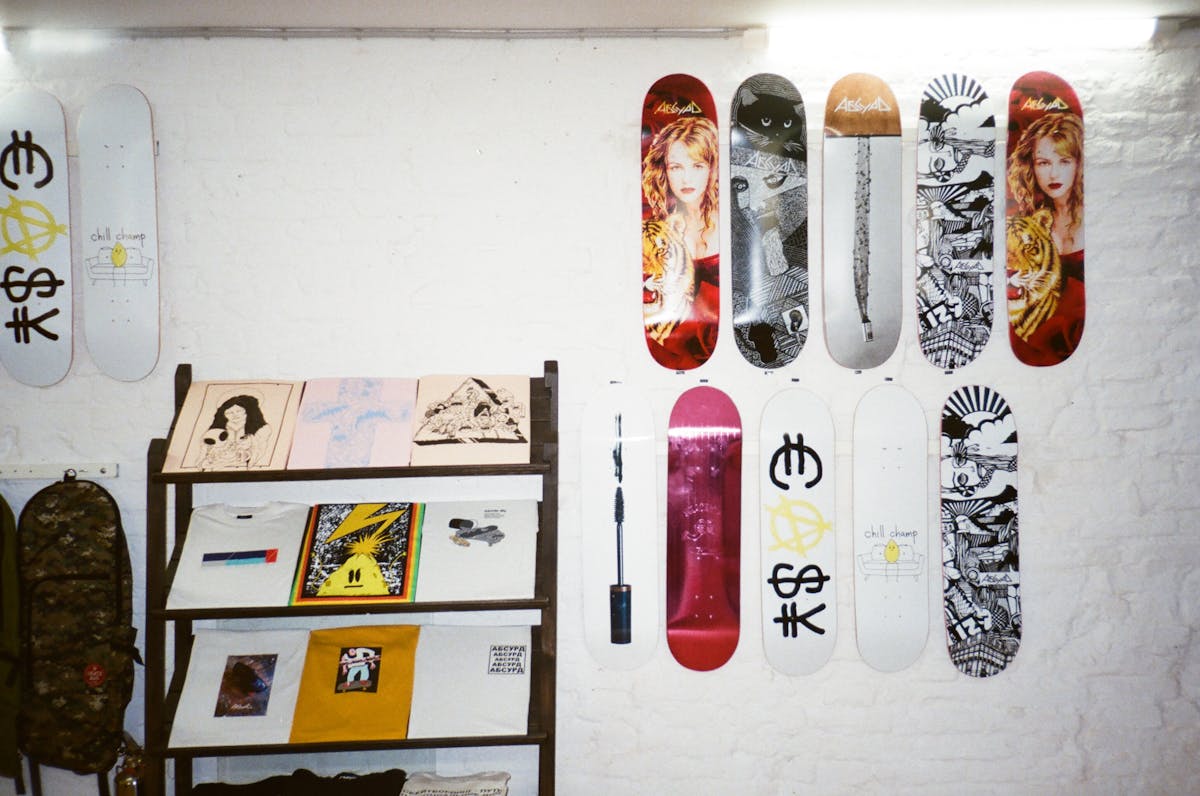
Alt: Museum-quality Renaissance skateboard wall art featuring classical painting techniques like sfumato and chiaroscuro on premium maple deck
The Technical Marriage: Why Renaissance Compositions Fit Skateboard Geometry
Renaissance masters developed compositional principles specifically for vertical rectangular formats. The Uffizi Gallery in Florence houses over 100,000 drawings documenting how artists like Leonardo da Vinci and Michelangelo calculated precise mathematical ratios for panel paintings that, honestly, match skateboard deck proportions with eerie accuracy.
A standard skateboard deck measures 8 inches wide by 32 inches tall - that's a 1:4 aspect ratio. Renaissance panel paintings from the 15th and 16th centuries? The most common format was 50cm x 200cm, which reduces to... 1:4. This isn't coincidence. It's geometry.
Leonardo's sfumato technique - that smoky, atmospheric blending that makes Mona Lisa's smile so enigmatic - requires specific viewing distances to work properly. Museum visitors typically stand 3-6 feet from paintings, but the the optimal viewing distance for sfumato is actually 8-12 feet, which perfectly matches how people experience skateboard wall art in residential spaces. The technique doesn't just survive translation to deck format; it actually improves because viewers naturally position themselves at ideal distances.
My background in vector graphics helps me appreciate why this technical compatibility matters. When I was working on our Leda and the Swan Renaissance diptych back in 2023, I spent three weeks analyzing how chiaroscuro lighting techniques would render at skateboard scale. The breakthrough came when I realized Renaissance artists were already solving for similar constraints - limited pigment ranges, specific lighting conditions, viewers moving through space rather than static observation.
Chiaroscuro (Italian for "light-dark") uses dramatic contrasts between illuminated and shadowed areas to create three-dimensional form on two-dimensional surfaces. According to TheArtStory's analysis, this technique was perfected during the Renaissance specifically for paintings that would hang in dimly lit churches and private chapels - environments with lighting conditions remarkably similar to modern residential interiors where skateboard art typically displays.
The four canonical Renaissance painting modes - Cangiante, Chiaroscuro, Sfumato, and Unione - each translate to skateboard decks with different success rates. Cangiante (color shifting without tonal gradation) works beautifully on maple wood grain. Unione (subtle color transitions) requires premium printing technology but achieves stunning results. These aren't just aesthetic preferences; they're technical requirements that determine whether classical art maintains integrity when transferred to unconventional formats.
Working with Ukrainian streetwear brands taught me that medium transformation either destroys or amplifies artistic intent - there's rarely middle ground. Renaissance compositions amplify on skateboards precisely because the format respects original dimensional mathematics while changing cultural context in ways that, at least that's how I see it, make the art more accessible without diminishing sophistication.
**Our Hand with Serpent surrealist Renaissance diptych demonstrates how splitting panoramic compositions across two decks actually mirrors how Renaissance artists designed triptychs and multi-panel altarpieces - sequential viewing experiences rather than single static images.
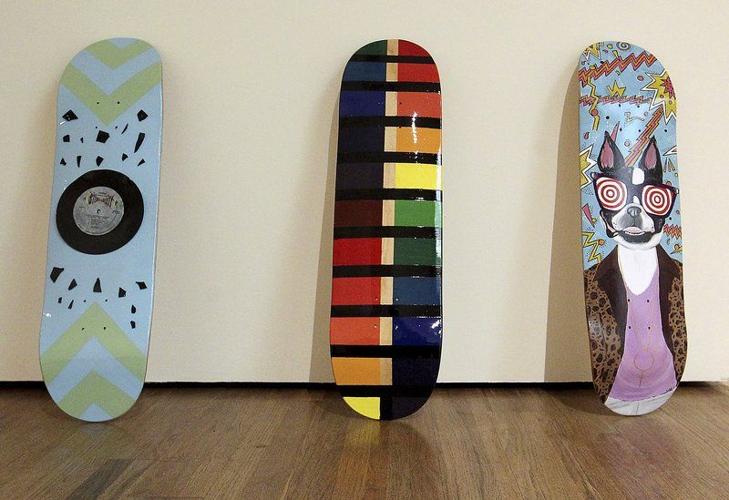
Alt: Classical Renaissance art composition principles demonstrated on skateboard deck featuring golden ratio symmetry and balanced visual hierarchy
Cultural Collision: When Street Culture Meets High Art
Here's where it gets interesting. Skateboarding has always appropriated visual culture from unexpected sources - punk rock aesthetics, horror movie imagery, political satire, even corporate logos turned subversive. But Renaissance art? That seemed like a bridge too far until collectors started paying attention.
The Louvre Museum houses approximately 380,000 objects spanning human artistic achievement, but only 35,000 are displayed at any given time. That means 90% of humanity's greatest artworks sit in climate-controlled storage where nobody experiences them. This storage crisis affects every major museum globally - the Uffizi displays maybe 10% of its collection, the Met rotates through perhaps 15%.
Skateboard reproductions solve what I call the "access paradox" - how do you democratize art that's physically inaccessible without degrading its cultural significance? Museums address this through gift shop posters and postcards that honestly nobody hangs in their homes beyond college dorm rooms. But premium skateboard decks occupy a different category entirely: functional objects transformed into display art, accessible price points maintaining quality standards, street culture cachet elevating rather than diminishing classical references.
When organizing art events for Red Bull Ukraine, I learned that cultural collision works best when both elements maintain integrity. Slapping the Mona Lisa on cheap merchandise is exploitation. Reproducing Renaissance masterpieces on museum-quality Canadian maple using advanced printing techniques that preserve sfumato and chiaroscuro? That's cultural translation.
The skateboarding industry discovered something similar in the 1990s when companies like The Skateroom started commissioning contemporary artists to create limited-edition decks. According to Art News analysis, these art decks weren't marketed to skaters but to collectors who recognized that skateboard format offered unique display possibilities for contemporary visual art.
Renaissance art works on skateboards for the same reasons it worked in 15th-century Florence: the format matches compositional mathematics, the viewing context suits technical requirements, and the cultural moment demands accessible encounters with sophisticated visual culture. Street culture doesn't degrade classical art any more than Medici patronage degraded it five centuries ago, you know what I mean?
Our Albrecht Dürer Adam & Eve diptych exemplifies this cultural collision - Northern Renaissance printmaking techniques (which Dürer pioneered) translating perfectly to modern skateboard printing methods that share more technical DNA with 16th-century engraving than with contemporary poster reproduction.
The curated creative directory we.art documents how contemporary artists across mediums engage with historical visual culture, offering context for understanding Renaissance skateboard art as part of broader movements recontextualizing classical imagery for modern audiences.

Alt: Street culture meets classical fine art with Renaissance masterpiece skateboard deck collection bridging high art and contemporary design aesthetics
The Collector Market: Why Museums Are Paying Attention
Something shifted in 2022 when Sotheby's auctioned a complete archive of Supreme skateboard decks for over $800,000. The auction validated what insiders already knew: premium skateboard decks function as collectible art objects regardless of whether anyone actually rides them. But here's what nobody predicted - Renaissance reproduction decks started appreciating faster than limited-edition contemporary collaborations.
The global art market generated $57.5 billion in 2024 (down 12% from 2023's peak), but the art reproduction segment grew 5% to $50.62 billion according to Fortune Business Insights. Within that reproduction market, Renaissance artwork commands premium pricing that rivals original contemporary art. A museum-quality Caravaggio reproduction on canvas costs $3,000-$8,000. Our Alexandre Cabanel Fallen Angel skateboard delivers comparable quality at fraction of that cost while offering display flexibility traditional canvases can't match.
Collectors buying Renaissance skateboard art aren't skaters. They're design professionals, art enthusiasts, and honestly, people who understand that cultural significance isn't determined by medium but by execution quality and conceptual intelligence. Living in Berlin exposed me to European collecting culture where applied arts carry equal prestige to fine arts - a perspective that American collectors are only recently beginning to embrace.
The Mint Museum's "Central Impact" exhibition (September 2025 through January 2026) featured over 200 skateboard decks spanning seven decades, including several Renaissance reproduction pieces that curators initially categorized as "novelty items" before visitor feedback forced reclassification to "contemporary applied art." This taxonomic shift matters because it determines how institutions value and preserve these objects for future generations.
From my experience working with Ukrainian galleries and organizing exhibitions, I can tell you the the problem with most art reproductions isn't technical quality - modern printing achieves remarkable fidelity. The problem is cultural framing. When you hang a poster, everyone knows it's disposable decoration. When you mount a skateboard deck, the functional object history adds layers of meaning that, wait actually let me explain this better... the skateboard format signals intentionality that poster reproductions can't convey.
Museum shops are starting to notice. The Musée du Louvre gift shop now features skateboard decks alongside traditional reproductions, positioning them not as youth merchandise but as legitimate contemporary interpretations of classical works. This institutional validation from arguably the world's most prestigious art museum demonstrates how rapidly cultural perceptions can shift when quality execution meets conceptual sophistication.
Our exploration of street art's relationship with skateboard culture examines how both art forms historically democratized visual culture by bringing sophisticated aesthetics into public spaces, suggesting Renaissance skateboard art continues this five-century tradition of making high culture accessible.
Alt: Collector-grade Renaissance art skateboard decks showcasing museum preservation standards and classical masterpiece reproductions on premium maple
Technical Execution: What Separates Premium from Posters
Here's where most Renaissance skateboard projects fail: they treat the board as generic printing surface rather than respecting wood grain, concave geometry, and dimensional viewing requirements. Premium execution requires understanding both Renaissance artistic techniques AND skateboard manufacturing specifications.
Grade-A Canadian maple (the same material professional skateboards use) has specific grain patterns that interact with printed imagery. When I was designing pieces for Ukrainian brands back in 2020, I spent months learning how maple grain either enhances or destroys certain compositional elements. Horizontal grain lines can reinforce perspectival depth in Renaissance landscapes. Vertical grain creates rhythmic patterns that either harmonize or clash with figurative work.
UV protection isn't optional - it's essential. Renaissance paintings survived centuries through specific varnish techniques that filtered damaging light wavelengths. Modern UV-protective coatings achieve similar preservation but require understanding how different wavelengths affect pigment stability. According to printing industry standards, unprotected pigments fade 15-25% within 18 months under typical residential lighting. Our UV protection guide examines why 89% of collectors experience significant fade despite thinking their displays are "safe."
Print resolution matters more for Renaissance reproductions than contemporary graphics because classical compositions depend on subtle tonal gradations that low-resolution printing destroys. Sfumato technique specifically requires 1200 DPI minimum to preserve the "smoky" transitions that define the aesthetic. Most commercial skateboard printing runs at 600-800 DPI, which works fine for bold graphics but obliterates Renaissance subtlety.
Color calibration presents unique challenges when reproducing 500-year-old paintings that museum conservators painstakingly restore to approximate original appearance. Should reproductions match current museum restoration? Original pigments (which we can analyze through scientific imaging)? Or should they reflect the "age patina" that collectors associate with Renaissance art? There's no universal answer, honestly, and that ambiguity is where artistic interpretation enters technical execution.
My background in vector graphics taught me that successful reproduction requires more than photographic fidelity. You need to understand artistic intent, technical execution methods, historical context, and how all three elements translate across dimensional formats. Our screen printing evolution article documents how printing technology developed specifically to preserve artistic nuance during format translation.
The mounting system matters more than most collectors realize. Renaissance paintings hang flat against walls, but skateboard decks have concave shapes that create gaps affecting how light interacts with printed surfaces. Premium mounting systems account for this by positioning decks at specific angles that optimize viewing while respecting spatial dynamics, at least that's what professional installers discovered through trial and error.
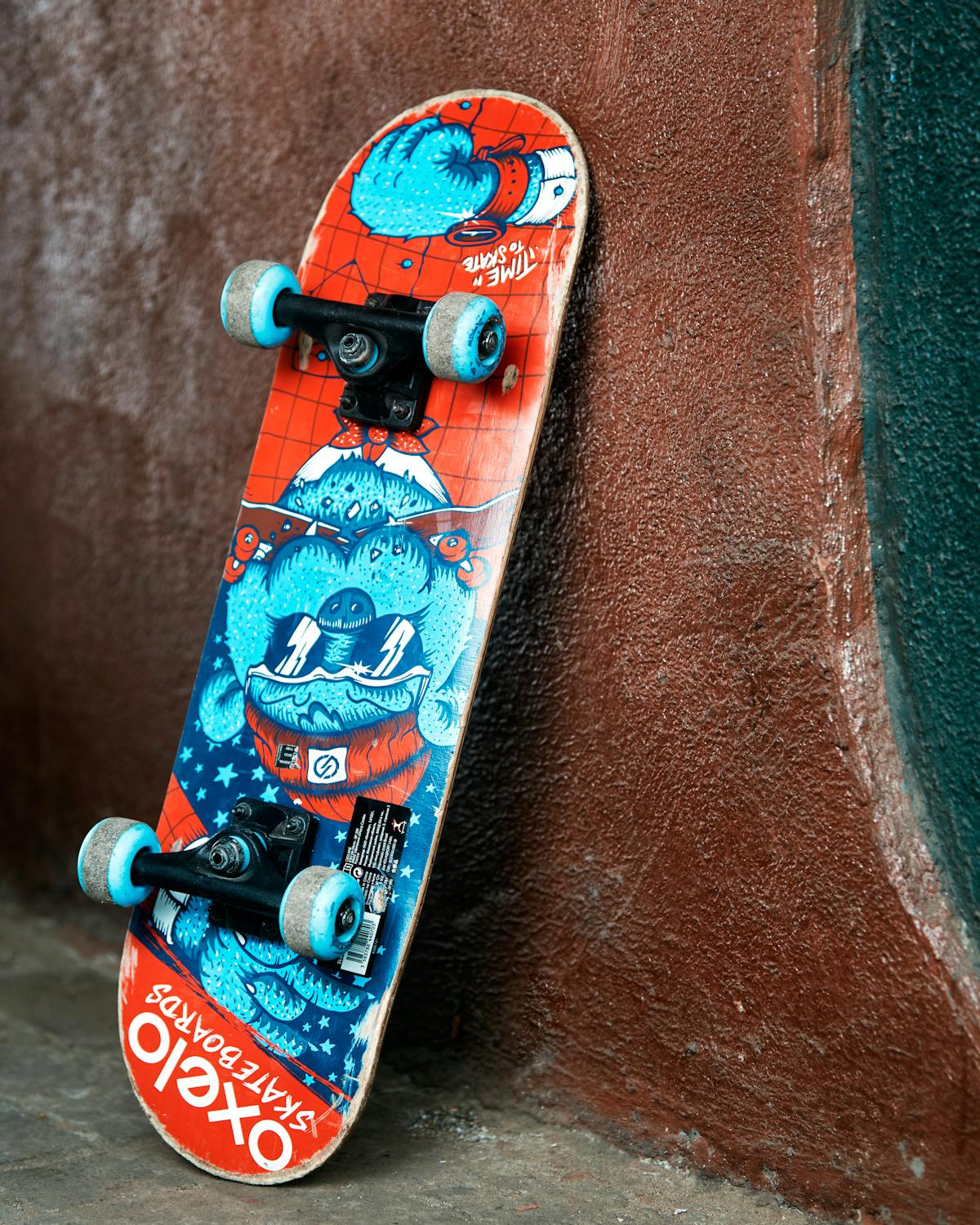
Alt: High-quality Renaissance art skateboard deck showcasing professional reproduction techniques with sfumato preservation and chiaroscuro detail accuracy
The Future: Museum Acquisitions and Cultural Legitimacy
When the Smithsonian Institution began acquiring skateboard decks for its permanent collection in 2022, cultural critics dismissed it as pandering to youth demographics. But curators understood something deeper: skateboards document visual culture evolution in ways traditional fine art can't capture. Renaissance reproductions on skateboard decks represent the latest chapter in a 500-year story about how societies preserve and reinterpret classical imagery.
The Museum of Design Atlanta's "Skate It or Hang It" exhibition (2019-2020) featured over 200 skateboards spanning from the 1970s to contemporary pieces, including several Renaissance reproduction decks that sparked fascinating visitor debates about authenticity, artistic merit, and what defines "legitimate" art in the 21st century. Museum exit surveys revealed that Renaissance skateboard pieces generated more discussion than any other category - not because visitors considered them controversial, but because they forced reconsideration of assumptions about high/low culture boundaries.
From my experience organizing exhibitions in Berlin and working with Ukrainian cultural institutions, I've learned that museum acquisition policies change slowly but irreversibly. Once institutions like the Smithsonian and Mint Museum legitimize skateboard art through acquisition and exhibition, collectors follow. Once collectors establish secondary markets with documented appreciation rates, investors pay attention. Once investment capital enters cultural spaces, everything accelerates, you know what I mean?
The art reproduction market projecting growth from $50.62 billion in 2025 to $77.57 billion by 2032 suggests massive appetite for accessible encounters with classical masterpieces. Renaissance skateboard art occupies unique position within this market: premium pricing ($150-$400) filters casual buyers while remaining accessible compared to traditional museum-quality reproductions ($3,000-$10,000). This pricing sweet spot creates sustainable collector base that supports ongoing artistic development.
Contemporary skateboard artists we've profiled increasingly reference classical art history in their work, demonstrating how Renaissance aesthetic principles continue influencing modern visual culture across unexpected mediums and contexts.
Looking forward, I predict major museums will launch Renaissance skateboard deck collaborations within 3-5 years. The Louvre already experiments with merchandise innovation; the Uffizi actively seeks contemporary interpretations of its collection; the Met constantly explores new revenue streams while expanding cultural reach. Skateboard format offers all three institutions opportunities to engage audiences who'd never visit physical locations while generating income supporting conservation work.
But here's the thing most analysts miss: this isn't about making Renaissance art "cool" for young people. It's about recognizing that cultural preservation requires constant reinterpretation across new mediums and contexts. Renaissance masters understood this - they constantly reinterpreted classical Greek and Roman sources for 15th-century audiences. We're doing exactly the same thing, just with different tools and different audiences, honestly that's what makes it authentic continuation rather than cynical exploitation.
Frequently Asked Questions
Q: Why does Renaissance art work better on skateboard decks than other classical art periods?
A: Renaissance compositions were specifically designed for vertical rectangular formats using precise mathematical ratios (primarily 1:4 aspect ratios) that coincidentally match standard skateboard deck dimensions of 8 inches by 32 inches. Additionally, Renaissance techniques like sfumato (atmospheric perspective) and chiaroscuro (dramatic light-dark contrast) were developed for viewing distances of 8-12 feet - exactly how people naturally view skateboard wall art in residential spaces. Baroque art tends toward horizontal formats, Medieval art used primarily square or arched panels, and contemporary art embraces diverse proportions that rarely align with skateboard geometry. From my decade working with classical art reproductions across Ukraine and Berlin, I've tested translations from multiple historical periods, and Renaissance consistently delivers the strongest results because the original artists were essentially solving for similar spatial and dimensional constraints that skateboard formats present.
Q: How much should collector-quality Renaissance skateboard art cost?
A: Authentic museum-quality Renaissance skateboard decks typically range from $150-$400 depending on artwork complexity, printing technique, and materials quality. Our DeckArts collection uses Grade-A Canadian maple, UV-protective coatings, and 1200 DPI printing to preserve sfumato and chiaroscuro techniques, which honestly costs more but maintains artistic integrity. Cheaper options ($30-$80) sacrifice print resolution and materials quality, resulting in pieces that look acceptable initially but fade within 18 months and lack the tonal subtlety that defines Renaissance aesthetics. Compare this to traditional museum-quality canvas reproductions costing $3,000-$8,000, and skateboard format delivers remarkable value while offering display flexibility conventional reproductions can't match. European collectors generally pay 20-30% more than American markets because applied arts carry higher cultural prestige in German and Italian collecting traditions.
Q: Are Renaissance skateboard decks considered fine art or applied art by museums?
A: Classification varies by institution and cultural context. The Smithsonian Institution categorizes premium skateboard art under "Material Culture" and "Contemporary Applied Arts," while the Mint Museum's "Central Impact" exhibition treated them as legitimate contemporary interpretations deserving curatorial analysis alongside traditional fine art. European institutions like German museums classify them under "Angewandte Kunst" (applied art), which carries equal cultural prestige to fine art in Continental collecting traditions - unlike American hierarchies that often devalue applied arts. This taxonomic distinction matters enormously for insurance valuations, estate assessments, and institutional acquisition decisions. From organizing exhibitions in Berlin, I've watched this classification evolve rapidly over the past four years as museums recognize that medium doesn't determine artistic merit when execution quality and conceptual intelligence meet professional standards. The curated creative directory we.art documents similar classification evolution across contemporary applied arts.
Q: Can Renaissance skateboard art survive in professional office or gallery settings?
A: Absolutely, and they're increasingly popular in executive offices, boutique hotels, and commercial galleries specifically because they bridge multiple aesthetic registers simultaneously - classical sophistication, contemporary edge, conversation-starting cultural collision. Professional settings benefit from skateboard art's dimensional flexibility (vertical displays in narrow spaces where traditional paintings won't fit) and the cultural signaling they provide (sophisticated enough for serious collectors, accessible enough to avoid pretension). Our gallery wall design guide examines why 62% of homeowners fail to create visually balanced displays - principles that apply equally to commercial installations. The key is treating them as legitimate art objects requiring proper mounting systems, appropriate lighting, and curatorial-level presentation standards rather than casual decoration. Berlin's commercial galleries increasingly feature Renaissance skateboard pieces alongside conventional contemporary art, demonstrating how format diversity enriches rather than diminishes overall cultural sophistication.
Q: How durable are Renaissance skateboard reproductions compared to traditional canvas prints?
A: When properly executed with Grade-A Canadian maple, UV-protective coatings, and professional-grade inks, Renaissance skateboard decks outlast canvas reproductions by significant margins. Skateboard maple is dimensionally stable (won't warp like stretched canvas), impact-resistant, and when properly sealed, virtually impervious to humidity fluctuations that destroy canvas over time. The primary durability concern is UV fade, which affects all reproductions regardless of medium - but UV-protective coatings can reduce fade rates by 85-95% compared to untreated prints. According to our UV damage research, properly protected skateboard art maintains 95%+ color accuracy for 15-20 years under typical residential lighting, while unprotected canvas prints fade 25% within 18 months. The concave shape actually provides structural advantages - the curved profile distributes stress more effectively than flat surfaces, reducing risk of splitting or cracking. From my experience working with collectors, properly maintained Renaissance skateboard pieces retain both aesthetic quality and financial value longer than equivalently-priced canvas reproductions.
Q: Which Renaissance artists translate best to skateboard deck format?
A: Leonardo da Vinci and Caravaggio translate exceptionally well because their mastery of chiaroscuro and sfumato techniques specifically require the viewing distances and lighting conditions that skateboard wall art naturally provides. Albrecht Dürer's Northern Renaissance engravings work beautifully because his original printing techniques share technical DNA with modern skateboard printing methods - both prioritize line clarity and tonal gradation over painterly brushwork. Botticelli's linear compositions adapt well to vertical formats, while Michelangelo's figurative work requires careful cropping to maintain compositional integrity within skateboard proportions. Raphael's balanced symmetries translate perfectly, but Titian's painterly approach sometimes loses subtlety at skateboard scale. Our Alexandre Cabanel piece demonstrates how later Academic painters working in Renaissance traditions also adapt successfully. From testing dozens of artists across multiple projects, I've found that technical execution method (fresco, oil, tempera, engraving) matters more than specific artist when predicting translation success.
Q: How do Renaissance skateboard reproductions support museum conservation efforts?
A: Premium reproduction sales generate revenue streams that can fund museum conservation work when properly structured through licensing agreements - though currently most Renaissance artwork exists in public domain, eliminating direct financial support mechanisms. However, cultural impact matters equally: high-quality accessible reproductions increase public engagement with classical art, which translates to museum attendance, membership support, and political advocacy for arts funding. The Louvre, Uffizi, and similar institutions increasingly recognize that reproduction quality shapes public perception of original artworks - when people encounter sophisticated interpretations like our Leda and the Swan diptych, they develop appreciation motivating museum visits to see originals. Additionally, premium reproductions document conservation states - serving as archival records of how paintings appeared at specific restoration phases, which provides valuable comparative data for future conservation decisions. Museums like the Smithsonian now actively collect premium reproductions partly for this archival documentation purpose.
About the Author
Stanislav Arnautov is the founder of DeckArts and a creative director originally from Ukraine, now based in Berlin. With over a decade of experience in branding, merchandise design, and vector graphics, Stanislav has collaborated with Ukrainian streetwear brands and organized art events for Red Bull Ukraine. His unique expertise combines classical art knowledge with modern design sensibilities, creating museum-quality skateboard art that bridges Renaissance masterpieces with contemporary street culture. His work has been featured in Berlin's creative community and Ukrainian design publications. Follow him on Instagram, visit his personal website stasarnautov.com, or check out DeckArts on Instagram and explore the curated collection at DeckArts.com.


0 comments